Africa in the Age of Abundance: Coprosperity Fund Participates in Sahara Sparks 2026
Coprosperity Fund representatives participated in Sahara Sparks 2026: Africa in the Age of Abundance, a two-day Pan-African Innovation, Technology, Entrepreneurship, Investment and Policy Forum organized by Sahara Ventures at Golden Tulip Zanzibar Airport Hotel from 10th to 11th October 2026. Held under the theme “Age of Abundance,” the forum brought together stakeholders from across Africa’s innovation and entrepreneurship ecosystems to consider how technology, investment, talent, markets and innovation can accelerate economic growth and create prosperity at scale.
For Coprosperity Fund, the event was an opportunity to engage with entrepreneurs, investors, development partners, policymakers and other ecosystem stakeholders on a central question: How can viable businesses access the right capital and support to grow sustainably? The Fund participated as an investor, with Managing Partner Mr Antony Adolf contributing to the Day Two panel discussion on unlocking capital for future businesses in Africa.
A Pan-African Conversation on the Age of Abundance
Sahara Sparks 2026 was designed around the question of how Africa can leverage exponential technologies and innovation ecosystems to create prosperity at scale and become a stronger player in the global economy. The programme was structured across two complementary days: Day One, the Conference, focused on thought leadership; Day Two, the Marketplace, focused on deal-making, startup engagement and networking.
The first day featured discussions on Africa’s next decade of prosperity, the role of exponential technology, education, artificial intelligence, digital infrastructure and the blue economy. The programme also included the launch of “Unlocking Silicon Zanzibar | The State of the Startup Ecosystem in Zanzibar,” alongside conversations about the conditions needed to strengthen Africa’s innovation landscape.
The second day shifted toward practical connections between businesses and sources of support. Startup and partner demonstrations, investor reverse pitches, marketplace sessions and networking created opportunities for participants to learn about ventures, financing instruments and potential collaborations.
Together, the two days linked the wider ambition of technological and economic abundance with the practical work of helping businesses access resources and grow.
Coprosperity Fund Contributes to the Discussion on Unlocking Capital in Africa
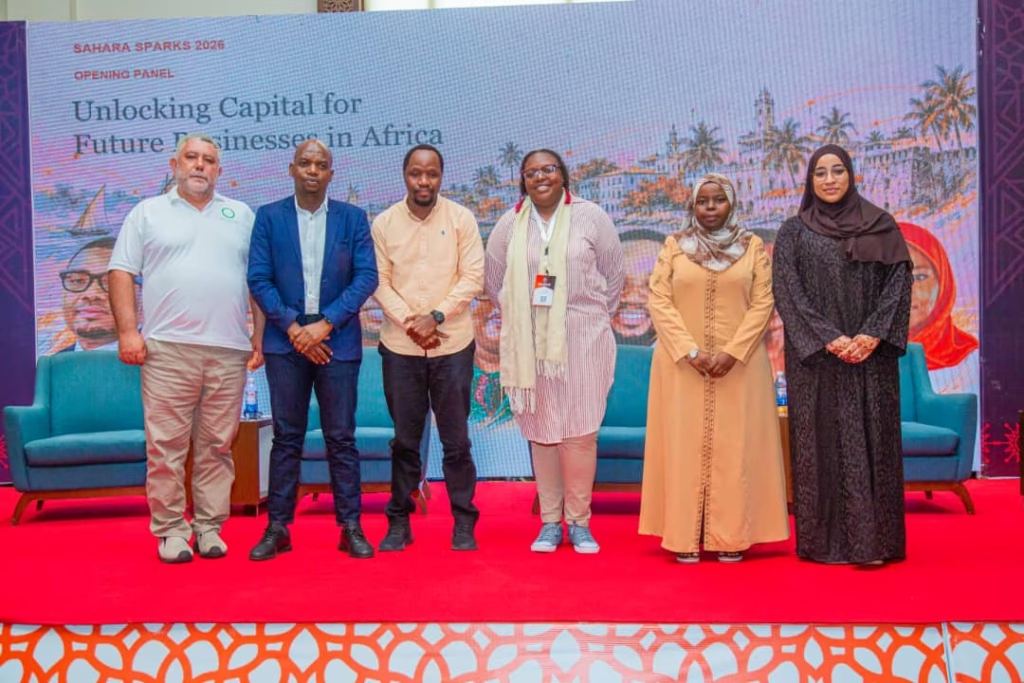
A key moment for Coprosperity Fund was the opening panel on Saturday, 11 October, titled “Unlocking Capital for Future Businesses in Africa: Financing Innovation, Entrepreneurship & Inclusive Growth.” The session was moderated by Ms Naomi Nana Mattary, Co-Founder of CGK Africa Connect.
Mr Antony Adolf, Managing Partner of Coprosperity Fund, joined Ms June Omune of Milele Zanzibar Foundation; Mr Joseph Manirakiza of the Funguo Innovation Program under UNDP; Ms Khadija Said Seif of ZSME; and Mr Juma Burhan of the Zanzibar Economic Empowerment Agency (ZEEA). The panel brought together perspectives on grant funding, innovation financing, SME financial readiness, investment capital and public-sector support.
The discussion addressed barriers businesses encounter when seeking financing and considered how entrepreneurs can prepare to access support suited to their stage and ambitions. It also raised the importance of connecting capital providers, public institutions and development partners so that funding opportunities can better respond to the needs of viable businesses.
Beyond the Idea: What Makes a Business Investment-Ready?
The panel guide identified several questions relevant to entrepreneurs seeking investment: what makes a business attractive to investors today; what investors look for in the team, market and financial model; and how founders can become investment-ready and attract long-term capital. These questions point to an important distinction: a promising idea may create interest, but a business also needs to show how it can operate, reach customers and use capital effectively.
Investment readiness involves developing a clear understanding of the market, the customers a business serves, the problem it solves and the value it offers. Entrepreneurs need to explain their business model, demonstrate how revenue is generated, understand operating costs and set out realistic growth priorities. A credible team and a clear plan for using investment can also help funders assess whether a business is positioned to make progress.
For SMEs, this preparation can include maintaining reliable financial records, understanding cash flow, documenting sales and customer demand, clarifying roles within the team, and identifying the milestones that additional capital would help achieve. The objective is not simply to produce a polished pitch; it is to build a business that can explain its performance, needs and growth opportunity with clarity.
Matching the Type of Capital to the Business
Another issue raised in the panel guide was how entrepreneurs can choose between grants, debt, equity and other financing options. These forms of capital serve different purposes and carry different expectations. The most suitable option depends on the business’s stage, cash flow, growth model, financing requirements and ability to meet the conditions attached to funding.
Grants may support defined activities or development objectives, depending on the funder’s criteria. Debt financing requires a business to plan for repayment and assess whether its cash flow can support that obligation. Equity investment generally involves sharing ownership in exchange for capital, with investors seeking an appropriate opportunity for value creation over time. Entrepreneurs therefore benefit from understanding the terms, responsibilities and potential implications of each option before making a decision.
The discussion’s focus on the capital gap also reflects the need to connect available financing with actual business needs. Businesses can struggle when the amount, timing or structure of capital does not match their circumstances. Better communication between founders and funders—and clearer preparation from businesses—can help make these conversations more productive.
Funding Is a Starting Point, Not the Whole Solution
Access to finance is important, but sustainable growth also depends on how businesses use resources and strengthen their capacity. Entrepreneurs may need support with financial management, customer acquisition, sales, marketing, operational systems, governance or market expansion. The combination of capital and relevant business support can help enterprises turn funding into stronger operations and measurable progress.
This is particularly relevant for small businesses that have established a product or service but face constraints in expanding their customer base, improving consistency or reaching new markets. Capital can create room to invest in growth, while stronger systems and clear priorities help businesses direct that investment toward activities that support their objectives.
The panel guide also raised inclusive access to finance, including the barriers faced by women, young entrepreneurs and underserved founders. A stronger financing ecosystem must consider whether viable businesses can find and understand relevant opportunities, meet reasonable requirements and access the support needed to progress. Collaboration between investors, public institutions and development partners can contribute to a more connected and responsive ecosystem.
The Marketplace: Connecting Startups, Investors and Partners
Day Two’s Marketplace programme complemented the panel discussion with practical opportunities for engagement. The agenda included investor reverse pitches, in which funders presented their financing instruments to founders, as well as startup and partner demonstrations and investor marketplace sessions. These activities were designed to bring startups, angels, venture capital providers, corporates and development finance institutions into closer conversation.
For entrepreneurs, such platforms can provide a chance to communicate their propositions, understand what different funders offer and learn what information may be required when pursuing financing. For investors and ecosystem partners, they create opportunities to discover ventures, exchange perspectives and identify areas where further engagement may be useful.
The Marketplace format also reinforced the relationship between the forum’s high-level conversations and the practical work of building an entrepreneurial ecosystem. Investment opportunities are more likely to develop when founders and funders can meet, ask questions, clarify expectations and continue discussions beyond a single event.
Connecting the Age of Abundance to Business Opportunity
The “Age of Abundance” theme encouraged participants to consider how intelligence, capital, technology, talent and markets can contribute to Africa’s prosperity. The programme explored technology and innovation alongside questions of financing, entrepreneurship, policy and ecosystem development. This broader framing recognizes that business growth depends on more than one resource or institution.
Technology can create new ways to deliver products and services, reach customers and improve efficiency. Talent and skills help businesses turn ideas into reliable products and operations. Access to markets gives enterprises opportunities to generate revenue, while suitable capital can support investment in capacity and expansion. These elements work best when the surrounding ecosystem enables entrepreneurs to develop, test and grow their businesses.
For Coprosperity Fund, participation in Sahara Sparks was an opportunity to engage in this wider conversation from an investor’s perspective and to contribute to discussions about what businesses need to move from potential toward scale. The event underscored the value of collaboration between entrepreneurs, investors, public institutions and development partners in building conditions for sustainable enterprise growth.
Looking Ahead
Coprosperity Fund appreciates the opportunity to participate in Sahara Sparks 2026 and engage with stakeholders working to advance entrepreneurship, innovation and investment. The discussions in Zanzibar highlighted the importance of investment readiness, appropriate financing and the support businesses need to grow sustainably.
For entrepreneurs, the path toward investment begins with understanding their customers, building sound business foundations and communicating a credible plan for growth. For investors and ecosystem partners, it involves engaging with businesses, understanding their needs and helping strengthen the connections between capital and opportunity.
By bringing capital, knowledge and collaboration closer to entrepreneurs, Africa can expand opportunities for businesses to grow, create jobs and contribute to long-term prosperity. Coprosperity Fund looks forward to continued engagement with entrepreneurs, investors and ecosystem partners working toward this shared ambition